Mandala Seahorse Embroidery: A Designer’s Real-World Review
First Impressions: A Fusion of Flow and Whimsy
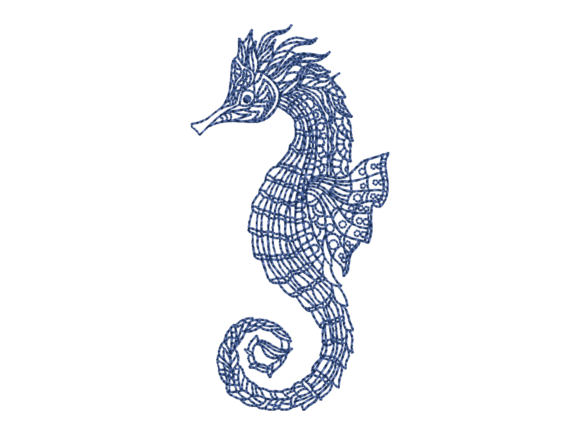
Opening the Mandala Seahorse Embroidery file, I was struck by how gracefully it balances intricate detail with a soft, flowing composition. The seahorse itself is stylized—its body curling like a ribbon, adorned with mandala-inspired patterns that echo symmetry and calm. It’s not a literal depiction of a fish, but rather a dreamy, artistic interpretation that feels both mystical and grounded.
This design immediately suggests itself for bohemian or ocean-themed projects. It’s the kind of embroidery you’d expect to see on a boutique tote, a personalized baby onesie, or a custom patch for a coastal-themed boutique brand. The visual personality leans toward the feminine and ethereal, making it ideal for handmade gifts, nursery decor, or even wedding favors with a nature-inspired twist.
Performance in Real-Life Embroidery Projects
I tested the Mandala Seahorse Embroidery on a few different fabric types and product formats to gauge its adaptability. Starting with a medium-weight cotton tote bag, the design stitched out cleanly, with crisp satin and fill stitches that gave it a polished, professional look. The intricate mandala elements held up well, though I did notice that thread color selection played a big role in maintaining clarity.
When I moved to a stretchy sweatshirt fabric, I added a lightweight cutaway stabilizer, which helped prevent distortion. The result was still clean, though I’d recommend avoiding very stretchy materials unless you’re confident in your stabilizer and hooping technique. For baby clothes, I scaled the design down slightly and used soft embroidery threads, which gave a gentle, non-abrasive finish perfect for sensitive skin.
Trying it on a curved surface like a baseball cap was trickier. The hoop placement and tension needed extra attention, and even then, the inner details of the mandala pattern near the seahorse's tail lost some precision. This tells me that while the design is versatile, it’s best suited for flat or gently curved surfaces like tote bags, pillow covers, or tea towels.
Where to Use It Carefully
Despite its beauty, the Mandala Seahorse Embroidery has some practical limitations. In smaller hoop sizes—below 4x4 inches—the fine details start to blur. The intricate mandala patterns become less distinct, and the overall effect loses its charm. If you're aiming for a minimalist look on a small cap or a delicate gift tag, consider simplifying the design or choosing a different motif.
Dark fabrics also require some thought. The light-colored mandala accents can get lost unless you use high-contrast thread or add a subtle underlay. I found that testing on a black cotton swatch revealed the need for extra stitch density in certain areas to make the design pop. Similarly, on textured or loosely woven fabrics like burlap or linen, the design can look washed out unless you reinforce with backing or choose a smoother fabric alternative.
Impact on Product Value and Customer Appeal
From a design business perspective, this embroidery file can elevate a simple product into something special. Whether it's a custom tote for a boutique shop or a personalized baby gift, the Mandala Seahorse Embroidery adds a touch of artistry that customers will notice and appreciate.
For Etsy sellers and small shop owners, this kind of design helps build brand recognition. It gives your work a signature look—distinctive, yet versatile enough to fit into a range of themes. The design’s elegance also contributes to perceived professionalism, especially when used on products like nursery decor or bridal accessories.
From a giftability standpoint, this design is strong. The seahorse motif has a gentle, nurturing energy, and the mandala patterns evoke mindfulness and calm—perfect for baby showers, wedding gifts, or personalized home decor items. It’s the kind of embroidery that invites a second glance and often earns compliments.
Practical Notes for Embroidery Designers
Before stitching out the Mandala Seahorse Embroidery on any client project or product listing, I strongly recommend doing a few test runs on scrap fabric. Start with a mid-weight cotton or linen to see how the stitch density and detail hold up. Then, try it on a stretchy or textured material to understand how it adapts.
- Thread color contrast is crucial—especially for the inner mandala patterns. Choose colors that enhance the visual flow without blending into each other.
- Stabilizer selection should match your fabric type. For stretchy materials, use a lightweight cutaway; for dense designs, a tear-away or wash-away backing can help prevent puckering.
- Check small details like the seahorse’s eye or the fine lines in the mandala. These can be easily lost if the fabric isn’t stable or the hoop isn’t tight enough.
- Review licensing before using the design in any commercial project. Since this is a digital embroidery file, ensure you have the right to sell finished items or include it in your own digital product bundles.
Also, consider using printable mockups to preview how the design looks on different products before stitching. A quick black and white mockup can help you judge clarity, while a color version can guide thread selection. Testing on both light and dark backgrounds will also help you understand how the design translates across fabric types.
Final Thoughts: A Versatile Design for the Creative Entrepreneur
The Mandala Seahorse Embroidery is more than just a pretty pattern—it’s a design asset that can serve a variety of creative needs. Whether you're a craft business owner, an Etsy seller, or a designer looking to expand your embroidery project portfolio, this file offers a unique blend of elegance and adaptability.
It works best when used thoughtfully—on flat surfaces, with attention to fabric type and thread color, and with a bit of trial and error. But when done right, it elevates your finished product from basic to boutique-level. For those in the handmade space, that’s a powerful tool.