Clownfish Embroidery: A Smart Choice for Small Business Branding
First Impressions: Friendly, Playful, and Versatile Design
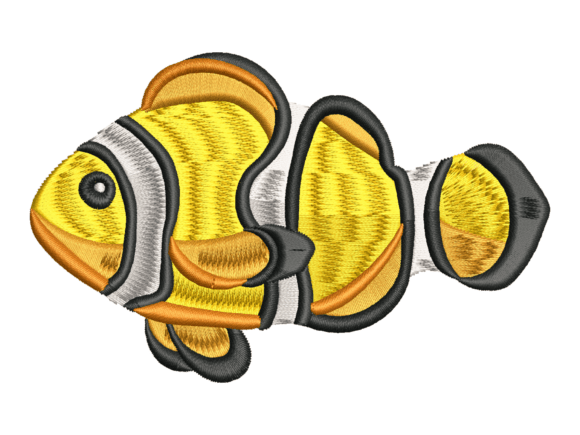
As an experienced embroidery designer, my first impression of Clownfish Embroidery was one of immediate appeal. The name itself suggests a cheerful, approachable design that can easily resonate with a variety of small businesses—especially those in creative, family-friendly, or coastal niches. The description hints at a clean, digital embroidery file ready for commercial use, making it a practical option for small business owners looking to elevate their merchandise with a touch of personality.
Real Business Use: From Branded Patches to Custom Apparel
When evaluating a digital embroidery file for business use, the key is versatility. Clownfish Embroidery offers just that. It’s a design that can be scaled and adapted to various applications:
- Embroidered patches – Perfect for sew-on or iron-on applications on bags, jackets, or uniforms.
- Staff uniforms – Ideal for a subtle chest logo or sleeve accent that adds visual interest without overwhelming the garment.
- Cap embroidery – Works well as a front or side logo, especially for boutique shops or pet brands with a whimsical vibe.
- Tote bag design – Makes for a charming, recognizable emblem on reusable bags or boutique packaging.
- Apron embroidery – Adds a professional, yet playful touch to kitchen or retail staff wear.
- Product packaging accents – Can be used in printed mockups or woven labels to unify a product line.
This design fits well within Etsy branding, craft business assets, and even event merch for local shops or pop-up markets.
Visual Personality: Branding with Character
The visual tone of Clownfish Embroidery leans toward the playful and friendly, making it ideal for businesses that want to project warmth and approachability. It’s not overly bold or minimalist, which gives it flexibility across a wide range of brand identities. Whether used on a café apron or a handmade soap label, this design can subtly reinforce your brand’s personality without appearing too casual or unprofessional.
Where to Use with Care: Design Limitations and Fabric Considerations
Like any machine embroidery design, Clownfish Embroidery has its limitations. It’s important to evaluate how it will perform in specific use cases:
- Small patch sizes – Details may get lost if scaled too small. Always test at intended size before production.
- Cap fronts – Curved surfaces may distort the fish shape slightly. Use proper hooping techniques.
- Textured fabric – Rough or uneven materials can affect stitch definition. Choose smooth fabrics for best results.
- Dark uniforms – Thread color contrast becomes critical. Test on dark backgrounds to ensure visibility.
- High stitch density – May cause stiffness or puckering on delicate fabrics. Review stitch count if available.
These factors are especially important for commercial embroidery projects where consistency and durability matter.
Brand Identity and Customer Perception
Choosing the right embroidery file can significantly impact your brand’s perceived value. Clownfish Embroidery strikes a balance between professionalism and charm. It works well for small business merch where handmade presentation meets modern expectations. Customers will notice the attention to detail and the subtle storytelling behind the design, especially if your brand has a coastal, organic, or kid-friendly theme.
Using this design consistently across custom apparel, tote bags, and product packaging can help build strong brand recognition and reinforce your visual identity. It also signals to customers that you care about quality and presentation—key drivers of trust and repeat business.
Practical Designer Notes: Preparing for Production
Before using Clownfish Embroidery in a commercial setting, here are a few essential steps I recommend:
- Test it in black and white first to assess shape and clarity without color distractions.
- Check performance at small patch size—especially if used on kids’ wear or small accessories.
- Review thread color contrast for visibility and aesthetic appeal across fabric types.
- Inspect spacing and density—especially if the file has intricate outlines or layers.
- Confirm hoop size compatibility with your machine before stitching.
- Test on real fabric samples to see how the design lays on different materials.
- Use the proper stabilizer to prevent shifting or puckering during embroidery.
- Create a printable mockup for client approval or internal review before production.
- Compare it beside other design assets to ensure visual consistency across your brand.
- Confirm commercial licensing—especially if you're reselling or using it for multiple clients.
Since this is a digital embroidery file delivered in ZIP or RAR format, always verify file integrity and compatibility with your embroidery software before purchase. Due to the nature of digital products, returns or refunds are typically not available, so it’s crucial to do your due diligence upfront.
Final Thoughts: A Valuable Asset for Small Business Merch
Clownfish Embroidery is more than just a decorative motif—it’s a functional, adaptable design that supports small business branding across a variety of merchandise. Whether you're creating staff uniforms, boutique tote bags, or embroidered patches for handmade products, this design offers a balance of charm, professionalism, and flexibility.
For embroidery shops, apparel decorators, and digital embroidery file buyers, it's a smart addition to your design library. Just remember to test thoroughly, review file specs, and ensure it aligns with your brand’s visual language before production. Done right, Clownfish Embroidery can become a signature element of your small business’s identity—elevating your products and impressing your customers with every stitch.