Orange Fruit Embroidery Design
First Impressions: Fresh, Cheerful, and Market-Ready
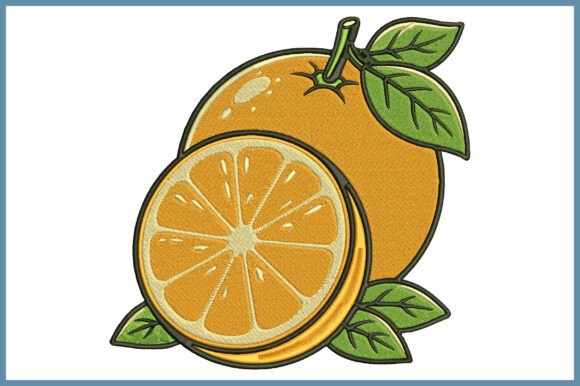
The Orange Fruit Embroidery Design immediately catches the eye with its bright, citrus-inspired charm. As an embroidery designer preparing for a weekend craft fair, this design feels like a perfect blend of modern farmhouse and cheerful handmade appeal. The detailed orange slice with leaves adds a natural, organic touch that’s both decorative and versatile for a variety of products.
It’s not overly bold, nor is it too minimal. It strikes a balance that makes it feel premium yet accessible—ideal for handmade markets where customers are drawn to items that feel unique but not overwhelming. The color palette suggests warmth and energy, making it a great choice for spring and summer displays, but it can also work year-round with the right fabric choices.
Where This Design Shines: Product Picks for Maximum Impact
When setting up a craft fair booth, I always look for embroidery designs that can translate well across multiple product types. The Orange Fruit Embroidery Design has that flexibility. Here’s where I see it performing best:
- Tote Bags: A large, central embroidery placement on natural canvas tote bags makes this design pop. It reads clearly from a distance and gives the bag a boutique-style finish.
- Aprons: Whether on the chest or pocket, this design adds personality and a touch of whimsy to kitchen aprons. It’s especially appealing for boutique-style aprons sold at food-focused markets.
- Tea Towels: Embroidery on cotton or linen tea towels enhances the design’s detail. The orange slice and leaves create a decorative kitchen accent that feels handmade and intentional.
- Embroidered Patches: This design is excellent for creating sew-on or iron-on patches. It’s recognizable even at a smaller scale, making it ideal for pin cushions, denim embellishments, or kids’ accessories.
- Pillow Covers: Placed centrally on a neutral pillow, this embroidery becomes a statement piece. It’s a great option for seasonal decor or as a themed gift item.
- Caps and Curved Surfaces: While the design is detailed, it should work well on a cap if the stitch density is manageable. Just be sure to test on a curved hoop and use the right stabilizer to maintain clarity.
- Fabric Pouches: Smaller versions of the design could work beautifully on zippered pouches for cosmetics or sewing kits. Just be cautious about shrinking the design too much to preserve detail.
Practical Production Considerations
As a professional embroidery designer, I always assess how a design will perform in real-world production settings. The Orange Fruit Embroidery Design seems like a solid contender for batch production, but there are a few points to keep in mind:
- Visibility and Recognition: This design is easy to understand at a glance. Customers will recognize the orange slice and leaves instantly, which is key for quick decision-making at a market booth.
- Scalability: It works both as a large focal point or a smaller accent. Just be cautious about reducing the design too much—tiny details like leaf veins or small lettering (if included) may get lost.
- Photography for Online Listings: Bright colors and clear lines make this design photograph well. It’s a good candidate for creating eye-catching Etsy listings and printable mockups.
- Batch Production: If the stitch density is moderate and the hoop size is standard, this design can be efficiently stitched across multiple items. Make sure thread colors are consistent across runs for brand recognition.
Careful-Use Notes: What to Watch For
Every design has its quirks. Here’s where to tread carefully with the Orange Fruit Embroidery Design:
- Dense Stitch Areas: If the orange slice has tightly packed stitches, it might not lay flat on textured towels or thick cotton. Always test on your intended fabric type.
- Small Details: Leaf veins or thin outlines may not hold up well on rough fabric or when scaled down. Consider simplifying or omitting these if needed.
- Dark Fabric Contrast: The vibrant orange may not stand out as well on dark backgrounds. Test with thread color variations to ensure visibility.
- Curved Cap Surfaces: The design’s detail could blur on a cap if the stabilizer isn’t sufficient or the hoop doesn’t fit well. Always do a test run.
- Texture Matters: For tea towels or linen, consider using a lightweight stabilizer to prevent puckering while maintaining clarity in the embroidery.
Boosting Booth Appeal and Customer Engagement
The Orange Fruit Embroidery Design brings a fresh, artisanal feel to any product lineup. It adds visual interest without being too niche—perfect for attracting a broad audience at a craft fair. Here’s how it can elevate your booth:
- Visual Appeal: The citrus motif is warm and inviting, making it a natural draw for shoppers browsing kitchen, apparel, or gift items.
- Customer Attention: Its clarity and recognizable shape make it stand out in a crowd, especially when placed on tote bags or displayed as a featured pillow.
- Product Value: Handmade items with thoughtful embroidery feel more premium. This design enhances perceived value, especially when paired with quality fabric.
- Handmade Quality: The attention to detail in the orange slice and leaves suggests a level of craftsmanship that resonates with buyers looking for unique, artisanal goods.
- Brand Consistency: If citrus or food-themed items are part of your shop’s identity, this design reinforces that theme across your product line.
- Booth Display Strength: Grouping items with the same embroidery—like a tote, apron, and tea towel set—creates a cohesive, professional look that shoppers find appealing.
- Buyer Engagement: The cheerful design invites conversation. Customers may ask about the inspiration or how it’s used on different products, giving you a chance to connect and upsell.
Final Thoughts: A Versatile Design for the Handmade Seller
Overall, the Orange Fruit Embroidery Design is a strong addition to any craft fair or handmade shop lineup. It’s versatile enough to work across a wide range of products, and its cheerful aesthetic makes it a crowd-pleaser. As with any machine embroidery design, I always recommend taking the time to test before production.
Before listing on Etsy or selling at a market, make sure to:
- Test the design on scrap fabric to check stitch density and clarity
- Review thread contrast and color choices against your fabric
- Confirm hoop size and spacing for consistent results
- Use the right stabilizer for your fabric type
- Create at least one real mockup to see how it photographs
- Compare fabric colors to ensure visibility and appeal
- Check commercial licensing if you’re selling finished products
With the right execution, the Orange Fruit Embroidery Design can become a staple in your small shop product line—offering both beauty and practicality for your handmade business.